
What Homeowners Should Know When Buying From a Glass Supplier
Upgrading or replacing the glass features in your home is a powerful way to instantly elevate your property's safety, aesthetic appeal, and thermal insulation. However, navigating the modern market requires more than just picking a design; homeowners must understand how different materials and safety metrics directly impact long-term performance. Partnering with a knowledgeable and reputable glass supplier ensures you receive the guidance necessary to make an informed, budget-friendly choice tailored to your regional climate.
Available Glass Types
Tempered Glass
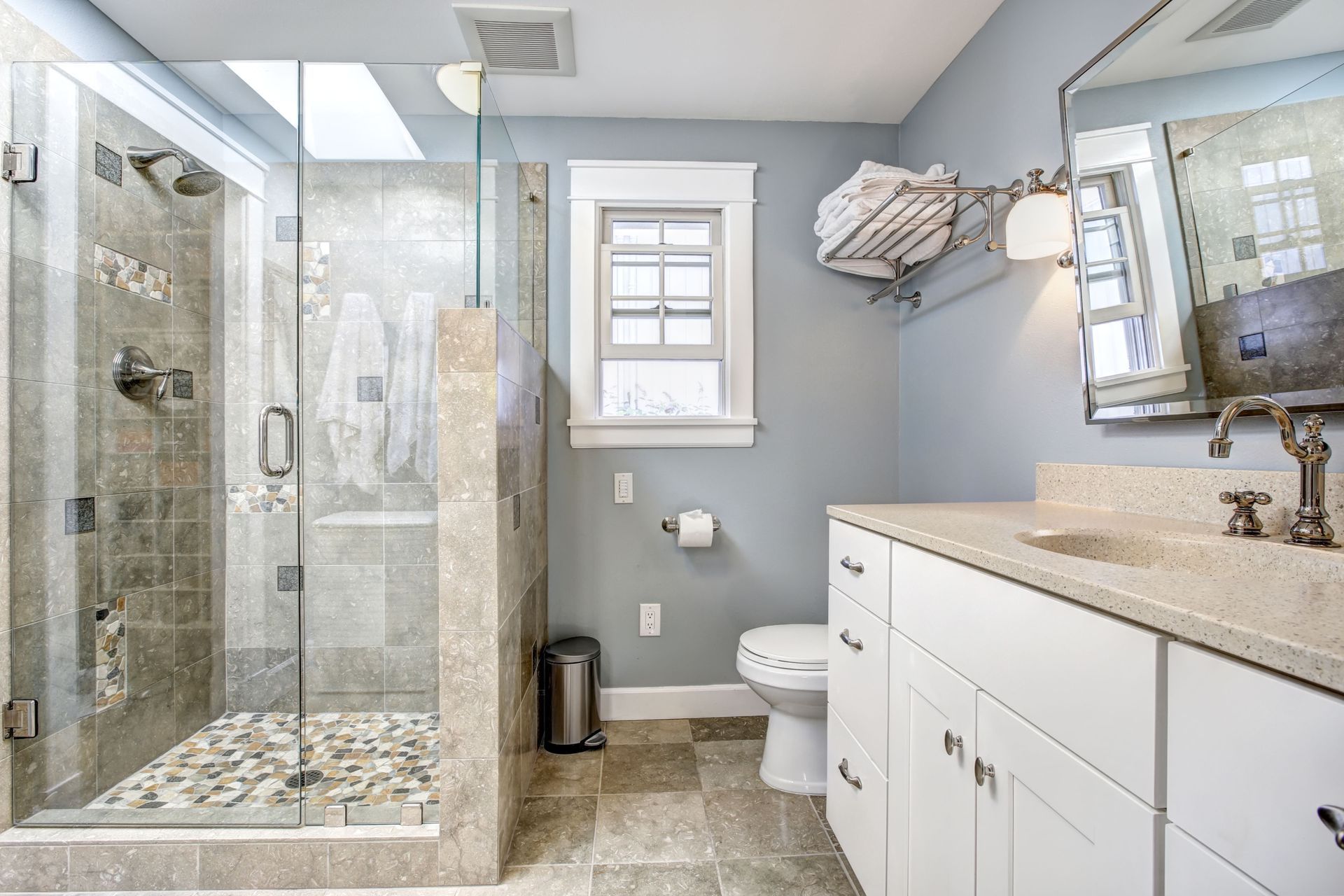
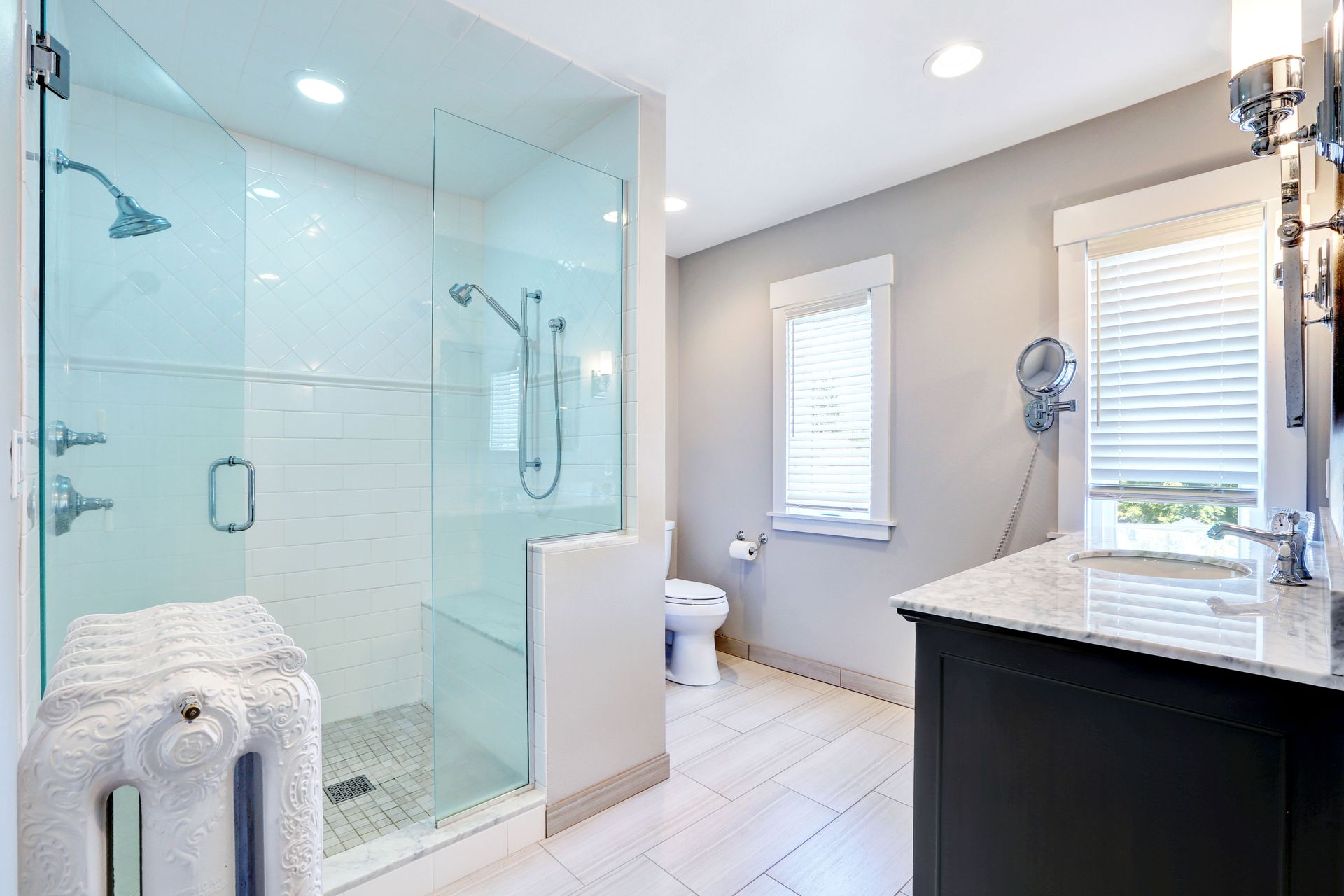
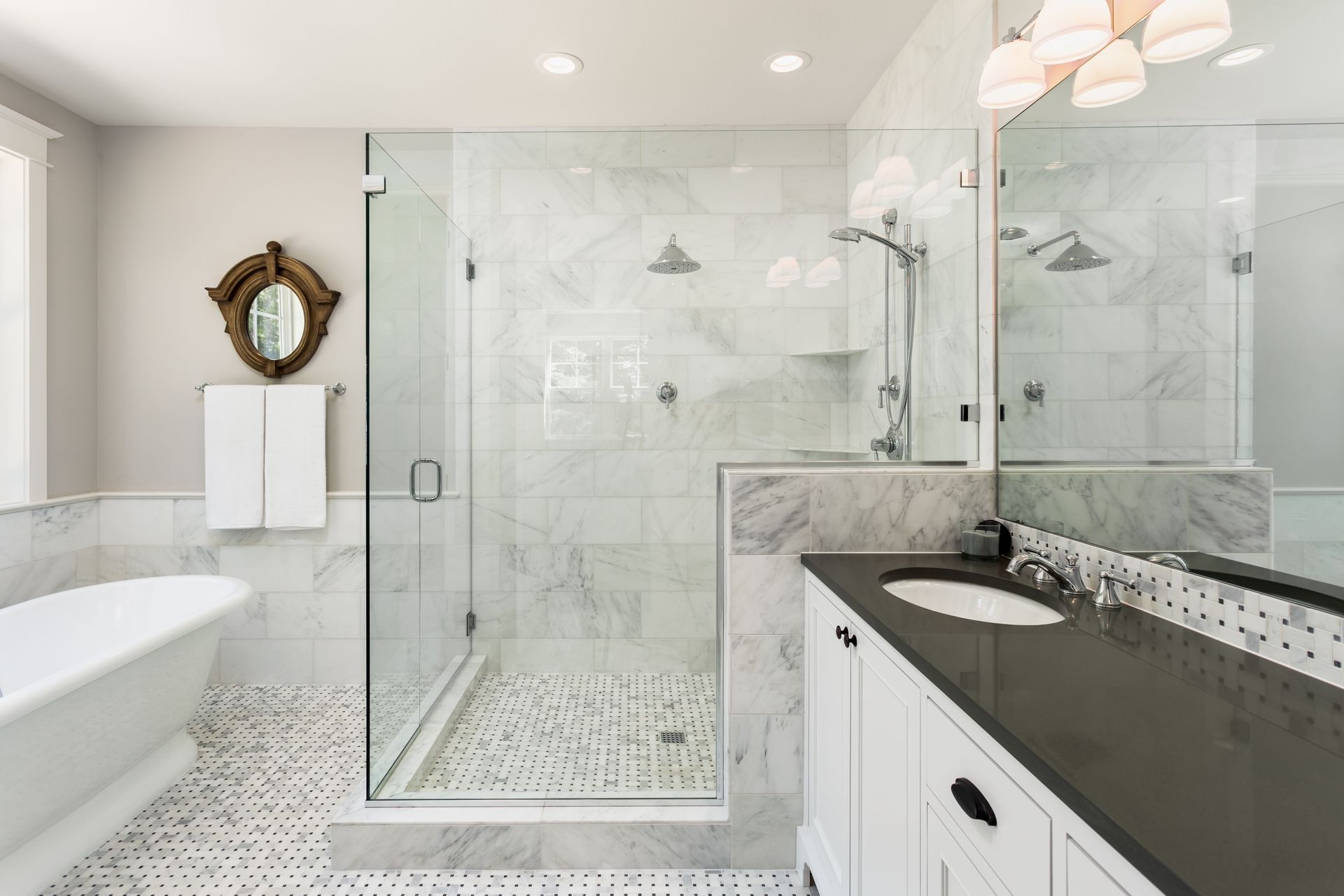
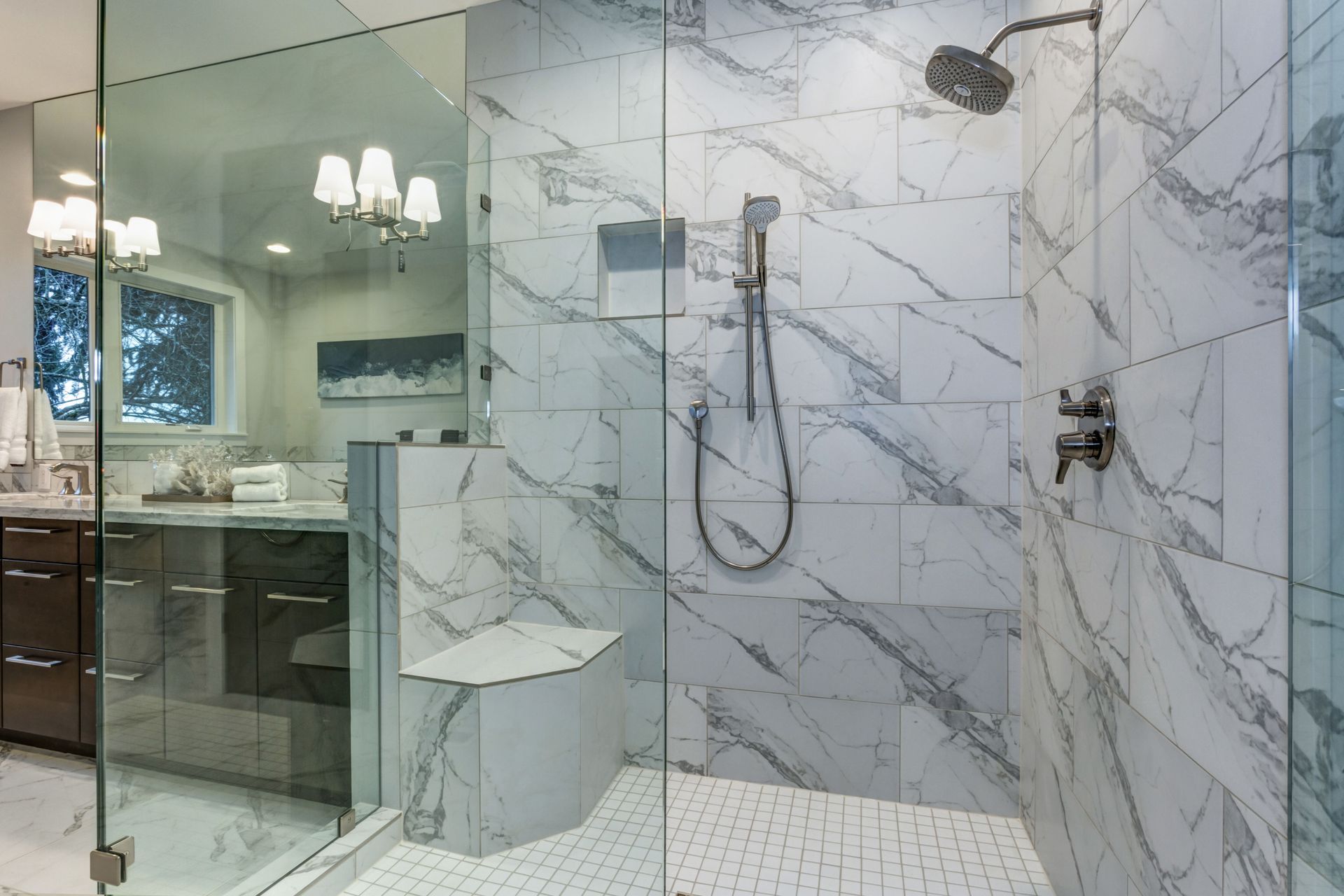
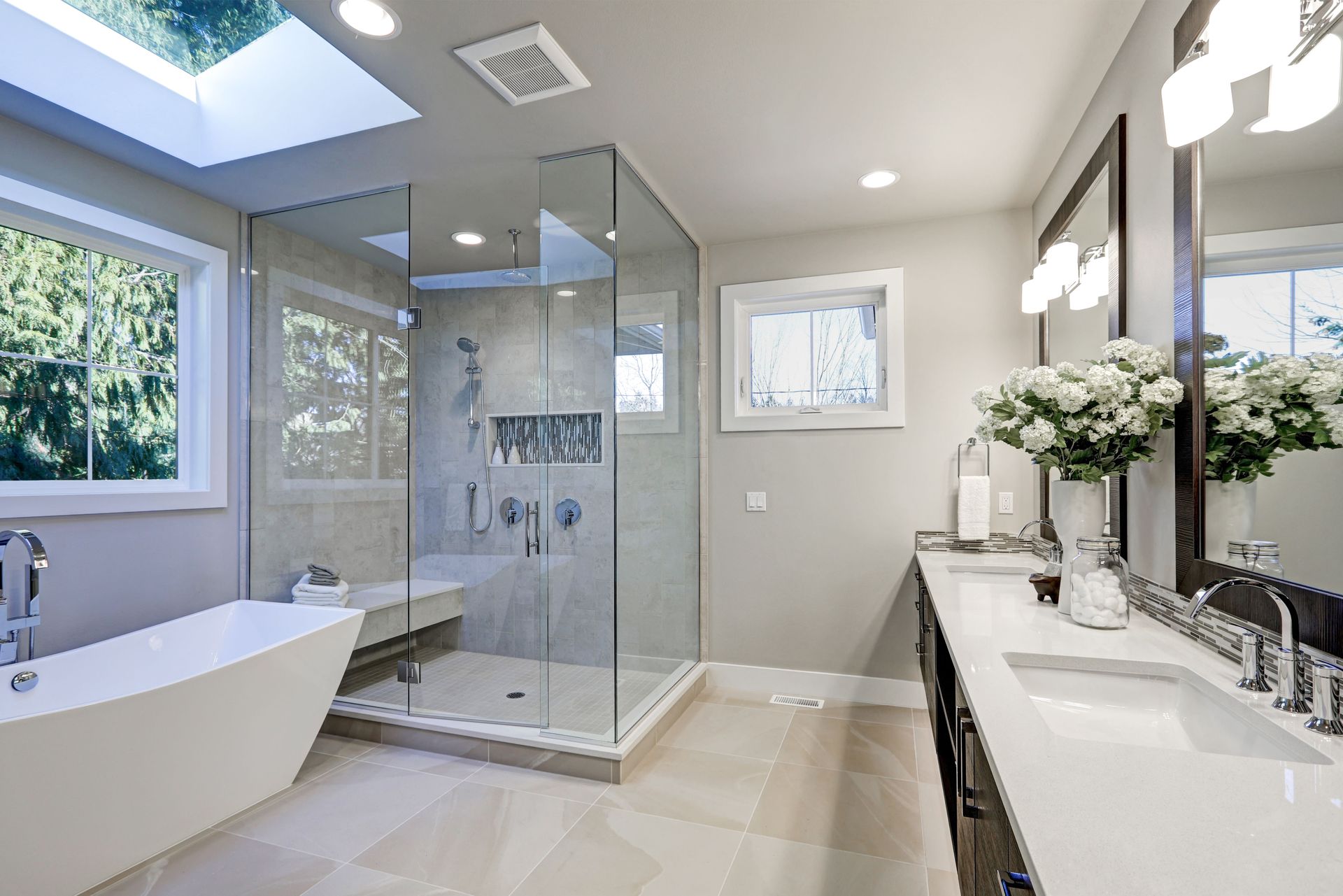
Tempered glass is a type of safety glass processed by controlled thermal or chemical treatments to increase its strength compared to normal glass. When broken, it shatters into small, blunt pieces, making it less likely to cause injury. Because of its strength and safety features, tempered glass is best used in environments where human safety is a priority, such as in doors or shower enclosures. Its resilience to heat also makes it a suitable choice for applications in kitchen and bathroom environments. When consulting a local glass supplier, homeowners looking for durability and safety in areas prone to impacts should consider incorporating tempered glass into their home design.
Laminated Glass
Laminated glass comprises two or more layers of glass with an interlayer, usually of polyvinyl butyral (PVB), holding them together. This construction provides enhanced safety as the glass adheres to the interlayer even when broken, preventing dangerous shards from scattering. Its sound reduction capabilities make it ideal for homes situated in noisy environments, contributing to a quieter indoor atmosphere. Furthermore, laminated glass offers better UV protection, shielding interiors from harmful sun exposure. Homeowners seeking both safety and soundproofing benefits from their glass supplier may find laminated glass a valuable addition to their homes.
Insulated Glass Units (IGUs)
Insulated Glass Units (IGUs) are essential for homeowners prioritizing energy efficiency. Comprising two or more glass panes separated by a vacuum or gas-filled space, IGUs drastically reduce heat transfer, keeping homes warmer in winter and cooler in summer. By lowering energy consumption for heating and cooling, IGUs not only reduce utility bills but also lessen the environmental impact of a home. For individuals living in regions with intense temperature variations, investing in IGUs from a certified glass supplier can lead to significant energy savings.
Energy Efficiency Considerations
R-Value and U-Factor Metrics
R-Value and U-Factor are insulation performance metrics critical when selecting glass for energy efficiency. The R-Value measures a material’s resistance to heat flow, with higher values indicating better insulating properties. Conversely, the U-Factor represents the rate of heat transfer, where lower values suggest more efficient insulation. In climates with extreme temperatures, these values can significantly impact the overall energy efficiency of a home.
Regional Climate Solutions
The choice of glass should be informed by regional climate conditions to achieve optimal energy efficiency. In colder climates, insulated or Low-E glass helps maintain heat, reducing the need for additional heating. Conversely, in warmer climates, reflective or tinted glass minimizes solar heat gain, keeping interiors cooler. Homeowners should assess these factors when planning new installations or upgrades to enhance comfort and reduce energy expenses. By aligning glass properties with local climate patterns, significant long-term savings and environmental benefits can be achieved.
Skylight Energy Factors
Skylights can add natural light and warmth to spaces, but require thoughtful consideration regarding energy efficiency. Properly installed and with the right glass type, they offer energy benefits similar to windows, reducing the need for artificial lighting and heating. Conversely, poorly insulated skylights may lead to increased heating and cooling demands, negating their initial benefits. Homeowners must weigh these pros and cons, considering the potential impact on energy usage and bills. Beyond performance, eco-conscious homeowners often look into material sustainability; according to the EPA, out of roughly 12.3 million tons of glass generated in the United States annually, only about 3.1 million tons (or 31.3%) get recycled. Evaluating features like operability and glass coatings with your chosen glass supplier can help optimize the energy contributions and life cycle of skylights in home design.
Quality and Safety Standards
Impact Resistance Testing
Impact resistance testing assesses a glass product's capacity to withstand sudden forces without breaking. Particularly relevant in areas prone to hurricanes or vandalism, this attribute is essential for maintaining the safety and integrity of a home. Testing varies based on the intended application, with varying degrees of resistance necessary for facades versus skylights. Working with a premier glass supplier helps homeowners select appropriately robust glass products. This selection aligns safety needs with environmental risks, providing peace of mind and enhanced security.
Acoustic Performance and STC Ratings
Sound Transmission Class (STC) ratings measure a glass product's ability to reduce sound transmission, crucial for homes in bustling environments. Higher STC ratings equate to better soundproofing, contributing to quieter, more serene indoor spaces. Laminated glass is often selected for its superior acoustic performance, making it a popular choice among urban homeowners. Understanding STC ratings allows individuals to effectively address noise concerns, promoting a comfortable living environment. In conjunction with design elements like laminated or thicker glass panes from a trusted glass supplier, substantial noise reduction can be achieved.
Material Defect Identification
Identifying defects in glass before purchase is vital to ensuring quality and safety. Common issues such as bubbles, cracks, and scratches may not compromise safety initially, but can lead to vulnerabilities over time. Defects affect both the aesthetic and functional aspects of the glass, potentially leading to premature replacements or failures. Homeowners should scrutinize glass products for visible imperfections as part of their selection process. Performing thorough inspections reduces the likelihood of issues post-installation, ensuring long-term satisfaction and performance.
Cost Considerations and Budgeting
Price Variability Factors
The cost of glass can vary widely based on factors such as type, thickness, and coatings. For instance, while basic glass panes may be economical, specialty options like Low-E or laminated glass typically carry higher price tags. Market fluctuations and supplier pricing policies also influence cost, necessitating thorough market research. Homeowners should account for these variables when planning projects to maintain accurate budget estimations. Understanding these dynamics eases cost forecasting and facilitates more efficient decision-making during glass selection.
Upfront Costs vs. Long-Term Value
Incorporating quality glass into home design involves analyzing upfront costs against long-term value and savings. While premium options like IGUs or Low-E glass are pricier initially, their energy efficiency can lead to long-term savings on utility bills. Consideration of durability and warranty terms can further offset initial expenditure by reducing maintenance and replacement needs. Making a calculated choice on materials from an established glass supplier can thus improve home value while maintaining budgetary constraints. Homeowners should prioritize investments that promise performance benefits, aligning with economic objectives.
Transparent Quotation Processes
Transparent quotation processes from suppliers provide homeowners with clarity and confidence in pricing. Detailed quotes break down costs, offering insight into each component contributing to the total. This transparency allows for easier comparisons between suppliers and informed negotiations, ensuring value for money. Transparent pricing reflects a supplier’s integrity and often correlates with quality customer service. Understanding these quotes avoids unexpected expenses and facilitates effective financial planning for home improvement projects.
Navigating a home glazing project requires a careful balance of immediate structural needs and long-term performance benefits. From choosing between the impact resilience of tempered glass and the thermal efficiency of IGUs, the choices you make heavily dictate your home's seasonal comfort and security. Vetting architectural options for proper STC ratings, U-factors, and physical defect shields your property from unexpected overhead costs down the line. By keeping these baseline structural requirements in mind, you can confidently invest in high-performing materials that enhance your living space for years to come.
Reach out to Besser Glass today to partner with a dependable glass supplier dedicated to delivering premium materials.

Share On: